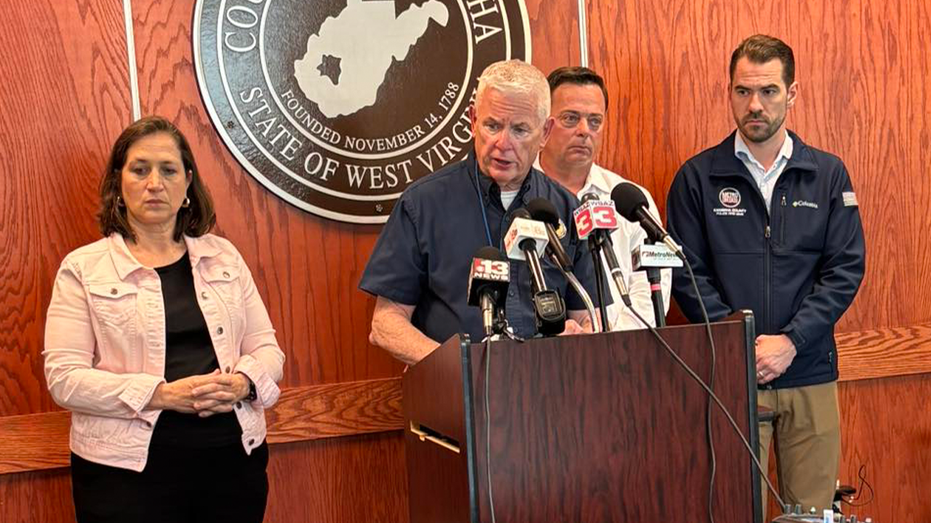
Deadly Chemical Release at West Virginia Refinery Prompts Full-Scale Emergency Response
Two workers are dead and more than twenty others required medical treatment following a hazardous chemical release at a refinery in Kanawha County, West Virginia, a stark reminder of the risks faced every day by America’s industrial workforce. Authorities say the incident occurred Wednesday morning at the Catalyst Refiners facility in the Institute area, triggering a swift and coordinated response from local, state, and federal agencies.
Officials confirmed that the chemical involved was hydrogen sulfide — a highly toxic gas that can be deadly at elevated concentrations. As investigators now work to determine exactly what went wrong, West Virginia leaders are emphasizing accountability, transparency, and above all, the protection of local residents and workers.
Incident Reported During Shutdown and Cleaning Procedures
According to Kanawha County Commission President Ben Salango, emergency officials received the first call at approximately 9:31 a.m. reporting a chemical release at Catalyst Refiners in Institute, a community located along the Kanawha River.
Preliminary information indicates that refinery personnel were in the midst of shutting down operations and conducting cleaning and decontamination work when the reaction occurred. During that process, authorities believe an unintended chemical reaction generated hydrogen sulfide gas.
Metro 911 received notification at 9:33 a.m., and within minutes, emergency sirens sounded across the area. By 9:46 a.m., the county had activated its Emergency Operations Center, coordinating fire departments, hazmat units, law enforcement, and emergency medical services.
Routes 25 and 60 were temporarily closed, and residents within a one-mile radius were placed under a shelter-in-place order as a precaution. Communities affected included Institute, Dunbar, Nitro, and St. Albans.
Understanding the Danger of Hydrogen Sulfide
Hydrogen sulfide is a colorless gas known for its “rotten egg” odor at lower concentrations. However, as the Centers for Disease Control and Prevention (CDC) warns, exposure to high levels can quickly impair the sense of smell, eliminating the warning sign many people rely on.
At elevated concentrations, hydrogen sulfide can cause:
- Respiratory failure
- Loss of consciousness
- Cardiac arrest
- Death within minutes
The seriousness of the gas helps explain the scale of the emergency response. Five emergency medical personnel were among those exposed while responding to the scene, underscoring the unpredictable nature of industrial chemical incidents.
Workplace exposure limits and safety standards for hydrogen sulfide are regulated in part by the Occupational Safety and Health Administration (OSHA), which may become involved in the investigation as federal authorities assess workplace safety protocols.
Casualties and Medical Response
Officials confirmed that two individuals lost their lives as a result of the release. One additional victim remains in critical condition. In total, 21 individuals were treated or transported to local hospitals for evaluation.
Local hospitals were placed on alert as a precaution, ensuring emergency departments were prepared for potential respiratory and chemical exposure injuries. Authorities urged calm but stressed the importance of following official guidance.
The swift coordination between county officials and the West Virginia Department of Health helped ensure that medical resources were immediately available. In incidents involving airborne toxins, rapid treatment is critical to limiting long-term health effects.
Shelter-in-Place Orders and School Safety Measures
Within minutes of activating the Emergency Operations Center, Kanawha County officials issued a shelter-in-place order for residents within one mile of the refinery. Emergency sirens were followed by wireless alerts sent directly to mobile phones in the affected areas.
Although several schools were located outside the official shelter radius, Kanawha County Schools initiated shelter-in-place protocols “out of an abundance of caution,” leaders said. The decision reflects a broader emphasis on safety in a county historically familiar with chemical and industrial operations.
Shelter-in-place orders typically require residents to:
- Stay indoors
- Close and seal windows and doors
- Turn off ventilation systems
- Monitor official communication channels
By midday, authorities began lifting restrictions as air monitoring showed improving conditions, though hazmat teams remained at the scene.
Hazmat Teams and Federal Notification
Hazardous materials crews continued air monitoring throughout the day to ensure that hydrogen sulfide and any secondary contaminants were no longer present at dangerous levels. Before investigators can fully enter and assess the interior of the facility, atmospheric conditions must be verified safe.
Federal authorities were notified through the National Response Center, which serves as the central reporting hub for environmental incidents across the United States.
Potential federal partners in the investigation may include:
- The Environmental Protection Agency (EPA)
- OSHA
- The Chemical Safety and Hazard Investigation Board (CSB)
In complex industrial accidents, these agencies often work alongside state officials to reconstruct timelines, analyze chemical interactions, and determine whether safety regulations were properly followed.
State Leadership Responds
West Virginia Governor Patrick Morrisey stated that multiple state agencies quickly mobilized to support Kanawha County’s response efforts. The West Virginia Emergency Management Division, along with the Department of Environmental Protection, coordinated closely with county officials at the command center.
“Our top priority is the safety and well-being of our citizens,” the governor said, emphasizing a round-the-clock commitment to containment and transparency.
West Virginia’s chemical and energy industries have long been a backbone of the state’s economy, providing jobs and supporting communities. But they also demand rigorous adherence to safety standards. State leaders now face the dual responsibility of protecting workers while preserving the economic engines that sustain countless families.
The Broader Industrial Context
The Kanawha Valley has been an industrial hub for more than a century, hosting chemical production facilities that have supplied materials critical to American manufacturing, defense, and energy production. Communities such as Institute and Nitro were built around this industry.
While strict safety standards have dramatically reduced the frequency of catastrophic accidents over time, industrial processes involving high pressures, volatile compounds, or hazardous gases still carry inherent risk.
Incidents like this serve as sobering reminders of several realities:
- Proper shutdown procedures are as critical as active production operations.
- Chemical reactions during maintenance can be unpredictable.
- First responders must be equipped and trained for complex hazardous scenarios.
Industrial facilities across the country invest heavily in compliance programs, federal inspections, and safety audits. Yet even a single miscalculation or equipment failure can prove deadly.
What Investigators Will Likely Examine
While the investigation is still in its early stages, authorities are expected to focus on key questions, including:
- What chemicals were present during the cleaning process?
- Were all shutdown protocols properly followed?
- Did any equipment fail?
- Were monitoring systems functioning as designed?
- Did workers receive appropriate personal protective equipment?
Investigators may analyze maintenance logs, safety training records, chemical inventories, and sensor data. In similar past cases nationwide, findings have led to updated industry guidelines and improved safeguards designed to prevent recurrence.
The Human Cost Behind the Headlines
Behind every industrial accident are families forever changed. The two workers who died were performing duties tied to maintaining vital infrastructure — difficult jobs that power the American economy.
Refinery and chemical plant workers often operate in high-risk environments to ensure products we rely on daily — fuels, plastics, fertilizers, industrial chemicals — remain available and affordable. Their work supports American independence in energy and manufacturing.
As the investigation continues, the community will be mourning the loss of two neighbors who went to work and did not come home.
Industrial accidents are not just regulatory issues — they are community tragedies that demand thorough answers and meaningful accountability.
Balancing Industry, Jobs, and Safety
West Virginia, like many energy-producing states, walks a constant balance between fostering economic opportunity and enforcing rigorous safety standards. Industrial facilities provide thousands of good-paying jobs and help secure America’s position as a global energy leader.
At the same time, government oversight exists to protect workers and surrounding communities. When incidents occur, transparency and accountability are essential to maintaining public trust.
In this case, county, state, and federal officials have pledged a full review of the circumstances surrounding the hydrogen sulfide release. For residents of Kanawha County, answers will be necessary to restore confidence.
Community Strength and Resilience
Kanawha County is no stranger to adversity. Its residents have weathered floods, industrial changes, and economic transitions over decades. Wednesday’s tragedy reinforces the importance of preparedness, strong emergency management systems, and rapid coordination between agencies.
The quick activation of sirens, alerts, and command centers demonstrates that emergency response plans were in place and functioning. That readiness may have prevented even more serious harm.
As air monitoring continues and investigators begin their work inside the facility, officials have urged residents to remain attentive to official updates and avoid speculation.
A Developing Investigation
This remains an active and evolving situation. Hazmat crews continue atmospheric testing, and agencies are working to secure the site for detailed inspection.
The coming days will likely bring additional clarity — and potentially policy changes — as investigators determine precisely how a routine shutdown procedure turned deadly.
For now, the people of West Virginia are focused on mourning the fallen, supporting the injured, and ensuring that every reasonable step is taken to prevent another tragedy on American soil.
Wake Up America News will continue to monitor developments as authorities release further information about the cause of this devastating chemical release.