Deadly Heat Claims Multiple Lives in Grand Canyon as Summer Temperatures Soar
Tragedy has struck one of America’s most iconic natural landmarks. Multiple hikers have died this month in the Grand Canyon National Park as extreme summer heat pushes temperatures in the Inner Canyon to life-threatening levels.
According to the National Park Service (NPS), park rangers and emergency teams responded to two separate heat-related emergencies on June 12 and June 16. In total, three hikers were pronounced dead in those incidents. Earlier in the month, an 18-year-old visitor also lost his life in what officials say appears to be another case of heat-related illness.
These heartbreaking events are a sobering reminder that while the Grand Canyon is one of America’s most treasured natural wonders, it is also an unforgiving desert environment where preparation, awareness, and personal responsibility can make the difference between life and death.
What Happened: Timeline of June’s Fatal Incidents
The most recent incidents occurred along some of the canyon’s most heavily traveled — and most challenging — trails.
On June 12, a 72-year-old man was hiking the South Kaibab Trail when he began experiencing symptoms consistent with heat-related illness. Despite a rapid emergency response, he was found deceased by the time rescuers arrived.
Just days later, on June 16, a 67-year-old man and a 68-year-old woman were hiking the North Kaibab Trail when they, too, reportedly succumbed to extreme heat exposure. The National Park Service has indicated that the investigation remains ongoing, but initial reports suggest heat-related medical emergencies were the primary factor.
In each case, responders deployed aerial support and advanced search-and-rescue resources. Nevertheless, both incidents ended in tragedy.
All three individuals were transported to the Coconino County Medical Examiner’s Office, which is responsible for determining the final cause of death.
Earlier in the month, on June 3, another life was lost. An 18-year-old male hiking below Havasupai Gardens on the Bright Angel Trail began exhibiting heat-related distress during a day hike from the South Rim to the Colorado River and back — a grueling trek even under favorable conditions.
Rangers located him approximately 30 feet below the trail near Garden Creek. Despite a coordinated helicopter rescue operation and immediate life-saving measures, he could not be revived. That case also remains under investigation in coordination with local medical authorities.
Understanding the Danger: The Inner Canyon’s Extreme Climate
Many Americans see the Grand Canyon as a breathtaking vacation destination — and it is. But its beauty often masks a harsh and relentless desert climate.
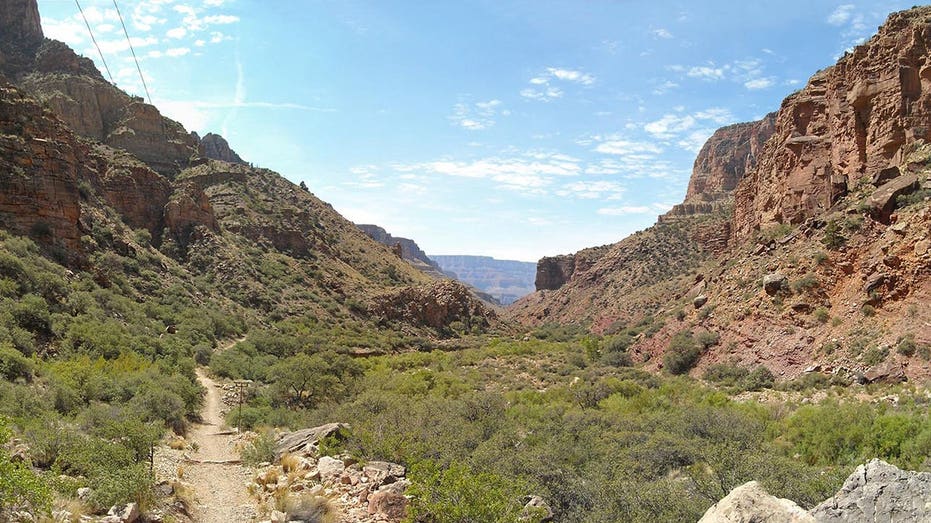
While visitors on the South Rim may enjoy relatively moderate temperatures, conditions at the bottom of the canyon are radically different. Midday temperatures in the Inner Canyon routinely exceed 109 degrees Fahrenheit during June — and that reading is taken in the shade.
The canyon’s geography traps heat, intensifying already scorching desert conditions. Unlike mountainous environments where higher elevations bring cooling breezes, the descent into the canyon often means descending into an oven-like atmosphere.
The National Park Service consistently warns visitors that hiking from rim to river and back in a single day is extremely dangerous during summer months. The combination of:
- High temperatures
- Steep elevation changes
- Limited water access
- Long exposure times
- Physical overexertion
can overwhelm even otherwise healthy individuals.
According to the Centers for Disease Control and Prevention (CDC), heat-related illness can escalate rapidly, particularly in older adults and those engaging in strenuous activity. Symptoms can range from heat exhaustion to heatstroke — a life-threatening condition marked by confusion, loss of consciousness, and organ failure.
Heat Illness: A Silent but Deadly Threat
Heat-related illness is often underestimated. Unlike dramatic accidents, heat emergencies can seem manageable — until they aren’t.
Early symptoms may include:
- Heavy sweating
- Weakness or fatigue
- Dizziness
- Nausea
- Headache
If untreated, these can quickly progress to heatstroke, where the body’s ability to regulate temperature collapses. Core body temperatures can rise above 104 degrees Fahrenheit, causing brain damage or death.
The desert environment of northern Arizona amplifies these risks. According to the National Weather Service Flagstaff Office, June is one of the hottest and driest months of the year in the region, occurring before monsoon storms bring any meaningful seasonal moisture.
In the Grand Canyon’s lower elevations, shade is limited. Rock formations absorb and radiate heat throughout the day. Trails such as South Kaibab offer little tree cover, leaving hikers exposed to direct sunlight for extended periods.
A Pattern of Rising Heat Risks Nationwide
These heartbreaking losses also point to a broader national conversation. Across the United States, extreme heat events are becoming more frequent and more intense.
America’s national parks — from Death Valley to Big Bend — are reporting increased heat-related rescues each summer. As visitation numbers continue to climb in popular destinations like the Grand Canyon, so too does the importance of awareness and preparation.
Grand Canyon National Park alone welcomes millions of visitors each year. Many are international tourists or first-time visitors unfamiliar with desert hiking. Others underestimate the toll that steep elevation changes can take on the body.
Descending into the canyon may feel manageable in the early morning hours. The climb back out, however, is where many hikers encounter trouble. Hiking out requires sustained uphill effort, often during peak heat hours.
The National Park Service frequently emphasizes: “Down is optional. Up is mandatory.”
It’s a simple phrase, but one that captures the reality hikers must face.
Search and Rescue: Rapid Response, Limited Margin for Error
In each of June’s incidents, park rangers responded quickly. Rescue teams often deploy helicopters, advanced medical equipment, and highly trained personnel.
But even America’s finest first responders face limits.
In extreme heat conditions:
- Response times can be slowed by terrain
- Aircraft performance can be reduced in hot, thin air
- Victims may deteriorate rapidly before help arrives
The vast scale of the canyon — stretching 277 miles long, up to 18 miles wide, and over a mile deep — makes rescue logistics extraordinarily complex.
Even with elite training and advanced technology, there are situations where nature simply moves faster than help can arrive.
Preparation Is Personal Responsibility
At Wake Up America News, we believe in personal responsibility alongside admiration for our national treasures. The Grand Canyon remains one of the greatest symbols of American natural heritage — a place where freedom meets frontier.
But freedom also requires wisdom.
The National Park Service strongly recommends that summer hikers:
- Avoid hiking between 10 a.m. and 4 p.m.
- Carry and consume adequate water and electrolytes
- Eat salty snacks to replace sodium loss
- Wear lightweight, light-colored clothing
- Know personal health limitations
- Turn back at the first signs of distress
Rim-to-river day hikes are actively discouraged during peak summer heat. For those determined to venture into the canyon, planning overnight stays at designated campgrounds — with proper permits — is often the safer approach.
Visitors can review updated safety advisories directly through the official Grand Canyon hiking safety page.
A Sobering Reminder as Summer Begins
The deaths of the 72-year-old man, the 67-year-old man, the 68-year-old woman, and the 18-year-old hiker serve as solemn reminders that nature demands respect.
These individuals were not reckless thrill-seekers. They were Americans enjoying public lands preserved for all of us. Yet even strong, active individuals can fall victim to extreme environmental conditions when temperatures move into triple digits.
Summer in the Southwest is unforgiving. The risks are real, measurable, and preventable.
Honoring America’s Natural Wonders by Respecting Their Power
The Grand Canyon stands as one of the seven natural wonders of the world — a testament to the power, scale, and beauty of God’s creation and America’s protected lands.
Managed by the National Park Service since 1919, this majestic landscape has inspired generations of Americans. It reflects the spirit of exploration and endurance that helped build this nation.
But honoring that legacy means acknowledging the canyon’s raw power.
Our national parks are not theme parks. They are wild, living landscapes shaped by climate, geology, and time beyond human control.
As temperatures continue rising into the heart of summer, millions will flock to Arizona to witness the canyon’s breathtaking vistas. With that privilege comes responsibility: plan wisely, hike smart, know your limits, and respect the desert.
For the families mourning loved ones this June, no warning can undo their loss. But their stories may very well prevent the next tragedy.
America’s parks belong to all of us. Let’s protect our families by approaching them with the preparation — and respect — they demand.
Wake Up America News will continue monitoring updates from the National Park Service and local officials as investigations proceed.